
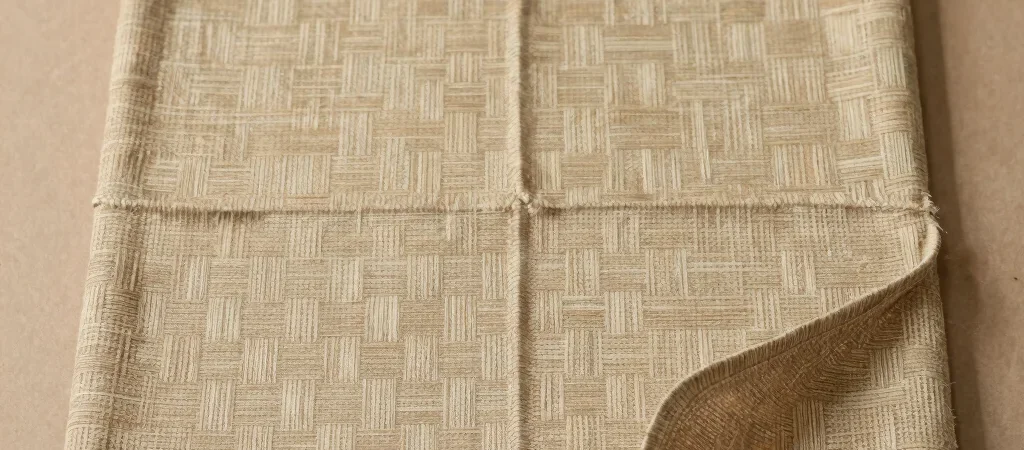
A textile can catch the eye from across a room, but its history is rarely visible in a single glance. In Indonesian ethnographic art, looking closely at fiber, construction, wear, and documented context gives a more reliable starting point than assigning meaning to a pattern alone.
Begin with what is visible
Notice how the cloth is made: whether its structure is woven, how its edges are finished, and where the colors or repeated forms appear. Look for signs of use or repair, too. These observations describe the object without assuming who made it, where it was used, or what a motif meant.
Keep context attached
A region, community, or date should be connected to a source, such as a collection record, maker’s account, or reliable publication. Indonesia’s textile traditions are varied, and a visual resemblance by itself does not establish shared origin or meaning. When the available record is incomplete, say so plainly.
Make a useful visual record
For a first study note, record the object’s dimensions if available, materials as documented, construction, visible condition, and the source of any contextual information. A pattern book can help organize close observations, but it should not turn a design into a universal symbol. The most useful next question is often a modest one: what evidence would help us know more?